
When we were young, what if we had been taught the ABC’s of body management? Would 25% of Americans be suffering from diabetes today?
When they were young, what if we taught our kids the importance of knowing about their bodies? And empowered them to manage their own health, by teaching them about Macronutrients, Basal Metabolic Rate (BMR) and Calorie Intake/Burn.
What if kids were learning this right along with English and other studies?
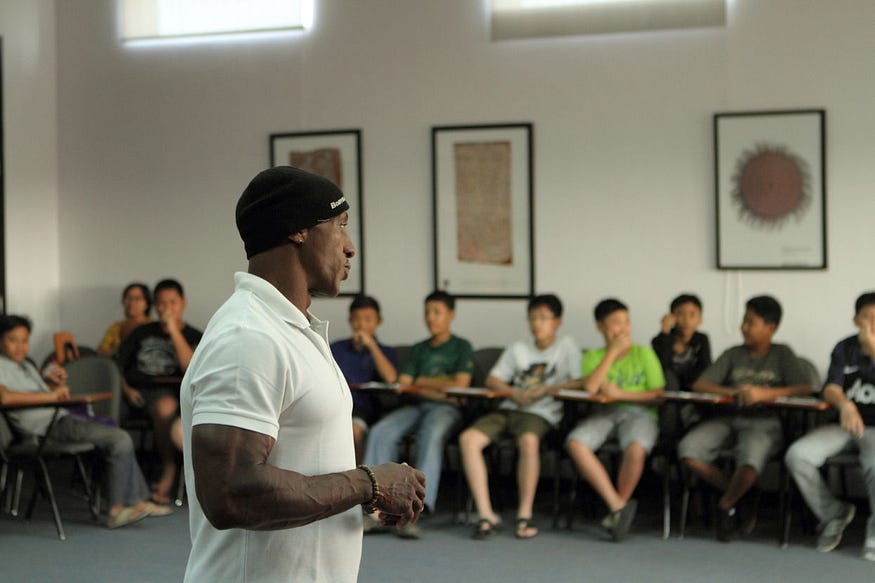
Today, with over 40% of American adults age 20 and over obese and overweight, doesn’t it seem wise to begin teaching children in school “how to manage your body” at an early age? It’s never too late.
What is the solution? Is it to get kids out of the house, involved in sports and other activities? Not necessarily, when we were young, we were to go outside and play (and best be back home before the streetlights came on.)
Did that work? Doesn’t seem so, because, according to the CDC, 45% of Americans over age 40 are overweight and obese.
So, if we aren’t taught how to manage our bodies as kids, and we’re not pursuing studies in physiology or kinesiology as adults… When do we learn how to take care of our physical health? Or how to take it back?
When do we learn the importance of learning our body?
For many of us, the light bulb comes on when we realize that our body can no longer handle the stress of our jobs; or get some kind of injury; or receive a health scare. Then looking back at our decisions to acquire great knowledge and job skills, who wouldn’t trade it all in for a chance to learn how to take better care of ourselves?
The reality is that too many of us know more about our jobs than we do our bodies. Then, when we are expected to take care of ourselves, we don’t know where to start.
It’s never too late to learn how to care for your body.
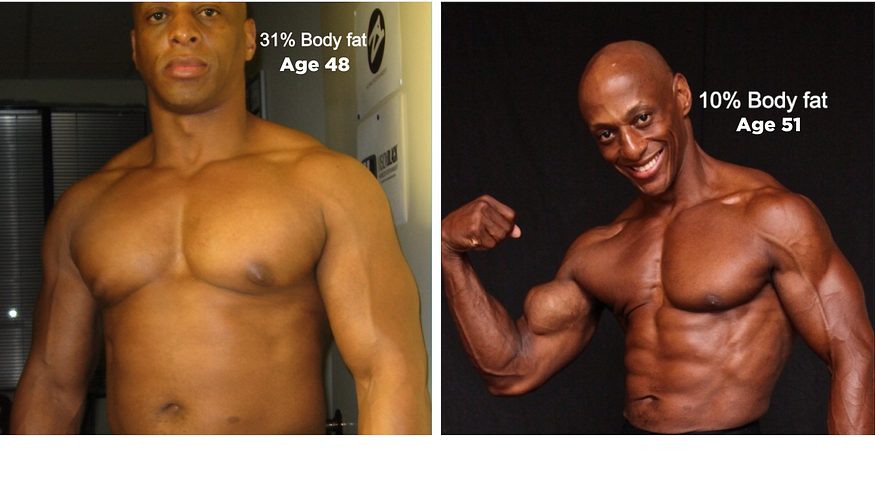
For me, the light bulb came on at 48 years of age.
I looked in the mirror at the physical and spiritual damage my body had endured from drug and alcohol addiction, and I didn’t like what I saw. I was borderline obese for my height. I started working out, but working wasn’t the answer. The fat around my waist and abdomen- which I now know also equates to “visceral fat” around my organs- wouldn’t budge, no matter what I did in the gym.
It was then I realized that I did not know HOW to change my body. I knew nothing about macronutrients/micronutrients. I knew nothing about the importance of magnesium, Vitamin B’s like B-12, Vitamin A, Niacin, Zinc.. absolutely nothing. Sure, I knew about Vitamin C, because as a kid that’s what Momma reached for when we caught colds.
More importantly, I never knew that my body burns a certain amount of calories, even when I am sleeping (BMR).
I never knew that measuring my body’s caloric burn rate was even a possibility (BMR with Activity).
This led me to an in-depth study into the science of my body.
I wanted to know. In fact, I needed to know- my life depended on it.
This was my transformation.
But what about the rest of America? Why are over 40% of Americans overweight or obese? (Source CDC #3) When does the light come on for them?
I can only theorize. My thoughts are that we are so driven to focus on attaining higher education to attract higher paying jobs that we don’t have the time to think about learning our bodies. Or maybe it’s that we don’t the time, because it doesn’t seem important enough. It’s like everything else that we plan to take care of “when I get that job, get that money, get that promotion,” etc.
Then we reach the age of 35, 45 or 50+ and we look in the mirror and wonder, what happened? Is this as good as it gets? Many of us may be divorced, retired or we spent all of our early years in school, building that business but neglecting our other dimensions of wellness. Do you know somebody like that?
… Are you that somebody? I was, too.
Now, what is the motivation to learn about our physical self?
For me, it was realizing that if I didn’t learn about my body, I could suffer a slow death filled with regret, and resentments.
Well, are you ready to “take back your life?”
It’s never too late to take back your health, fitness and your life.
Begin by asking yourself this question: Do I know more about my job than I do about my body? Answer the following questions just to get an idea of where you are.
- What is your daily macronutrient ratio?
- What is your daily calorie intake?
- What is your daily calorie burn?
- What is your resting heart rate?
Take the Job Test
- What are the minimum job requirements to get paid?
- What are your daily job responsibilities?
- What is your average daily income?
- What are the steps you take to get a job promotion?
If you have completed more questions regarding your occupation than questions regarding your body, you are not alone. Most people in the world are very competent in Occupational Wellness but not so much with Physical Wellness.
What next?
1st. Visit our site to get your down load of the T3 Body Management Course
2nd. Schedule a 15 minute call with me here https://calendly.com/itsnevertoolate
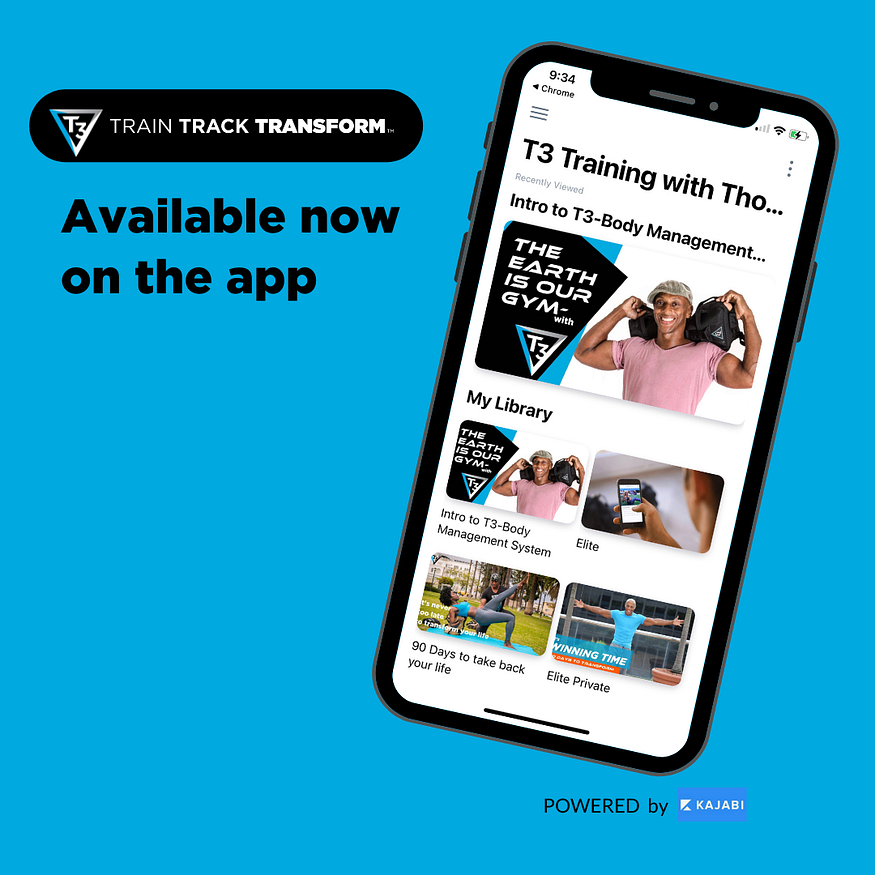
Within the T3 Body Management system course, you will learn:
- How to get answers to key data points that mean the most to creating physical transformation.
- How to listen to your body.
- Which movements help you to burn the greatest amount of calories in the least amount of time.
I have created an app, a product and a style of training that empowers people everywhere to learn to “Take back their lives, fitness and health” wherever they are.
If you agree that it’s important to learn about our bodies to create greater health and fulfillment in our lives, will you support my GoFundMe? My goal is to share the message, “It’s never too late to take back your life” with 1 million people.
Let’s help others access the tools to learn about their body and take back their lives.
The influence of education on health https://archpublichealth.biomedcentral.com/articles/10.1186/s13690-020-00402-5
No comment